Perfume Identifier Blog
Guides, tips, and expert advice on perfume identification, fragrance discovery, and scent science.
Best Perfume For Office
Best Perfume For Summer
Best Perfume For Winter
Best Perfume Scanner App
Can Ai Recommend Perfume
Edt Vs Edp Difference
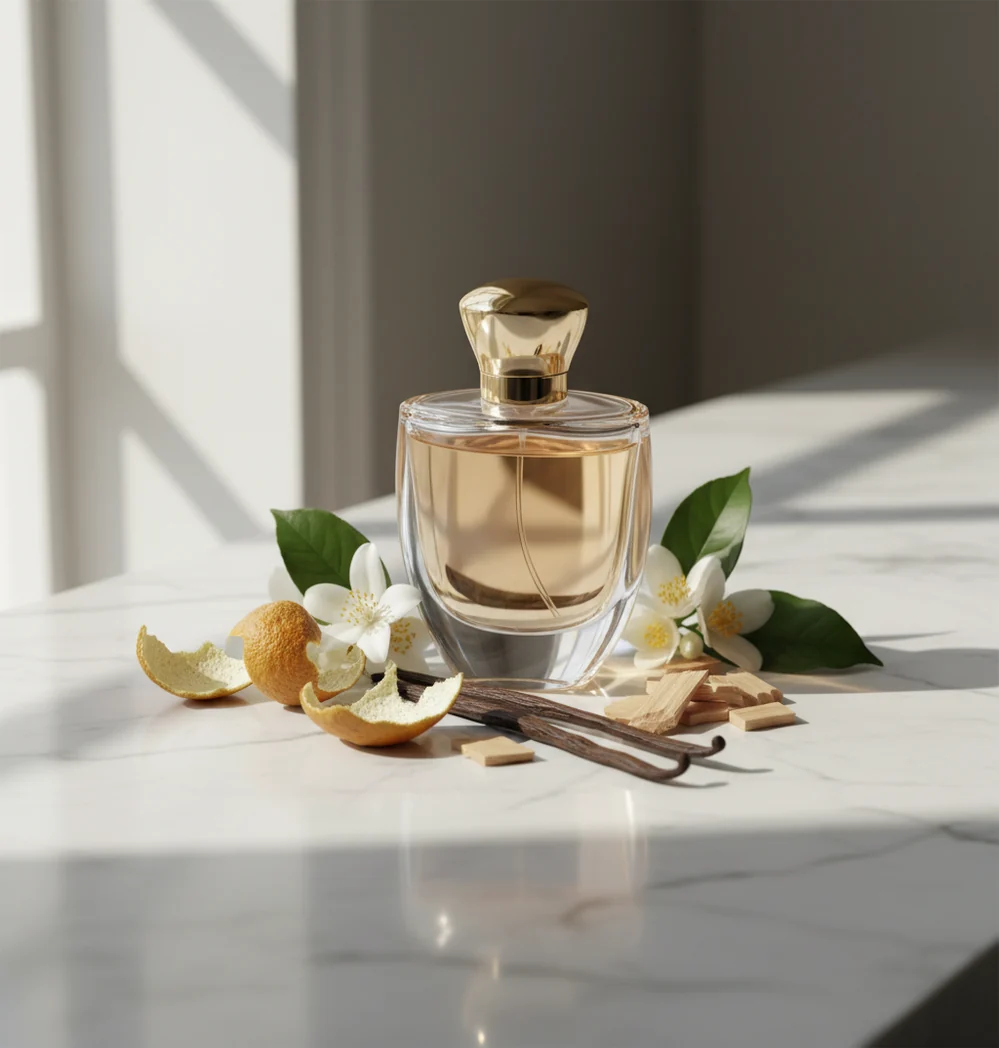
Perfume Notes Explained
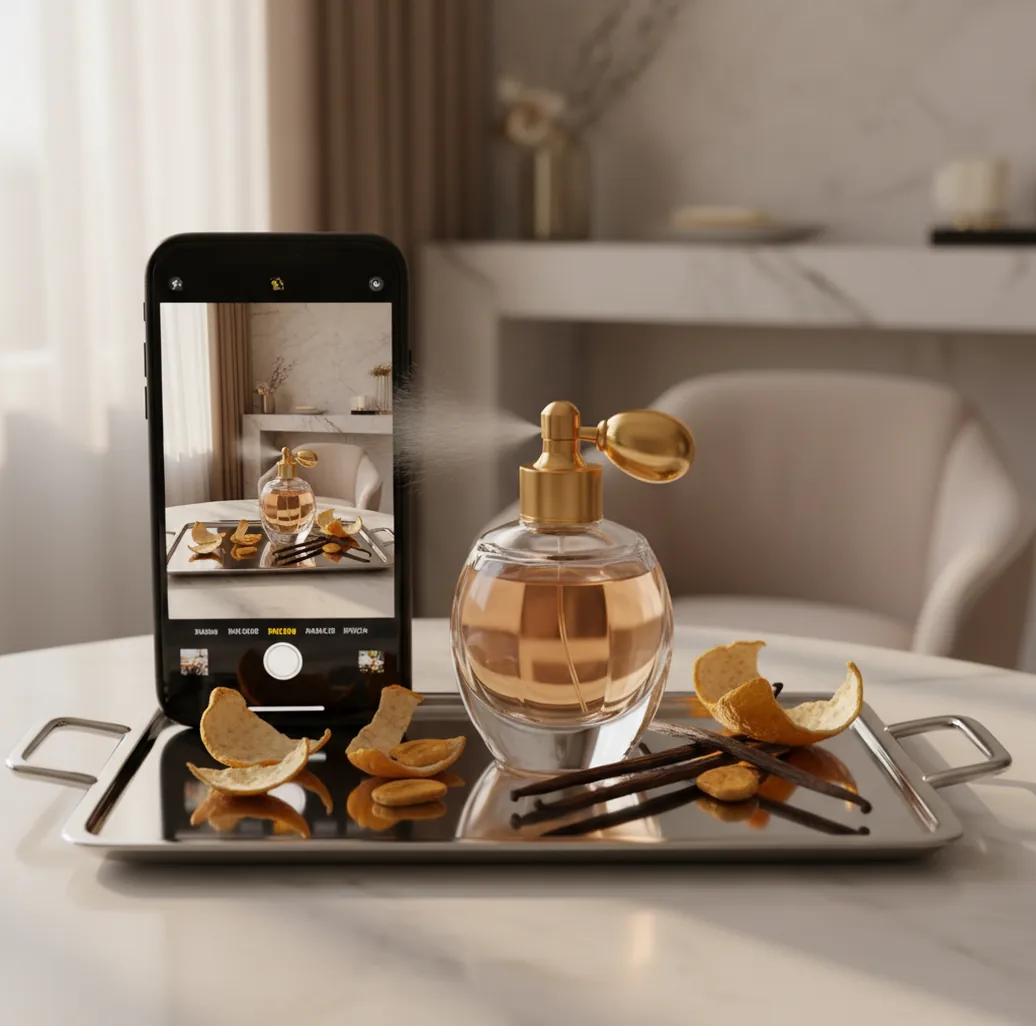
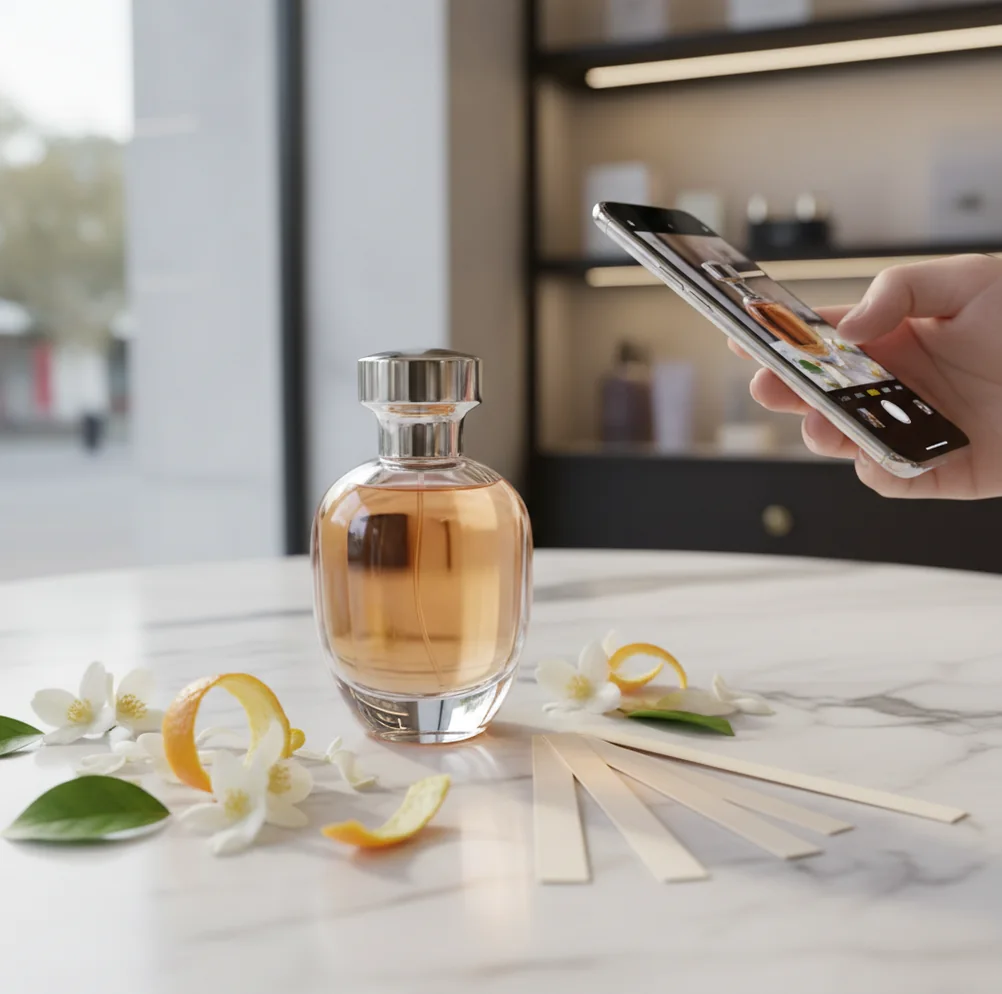
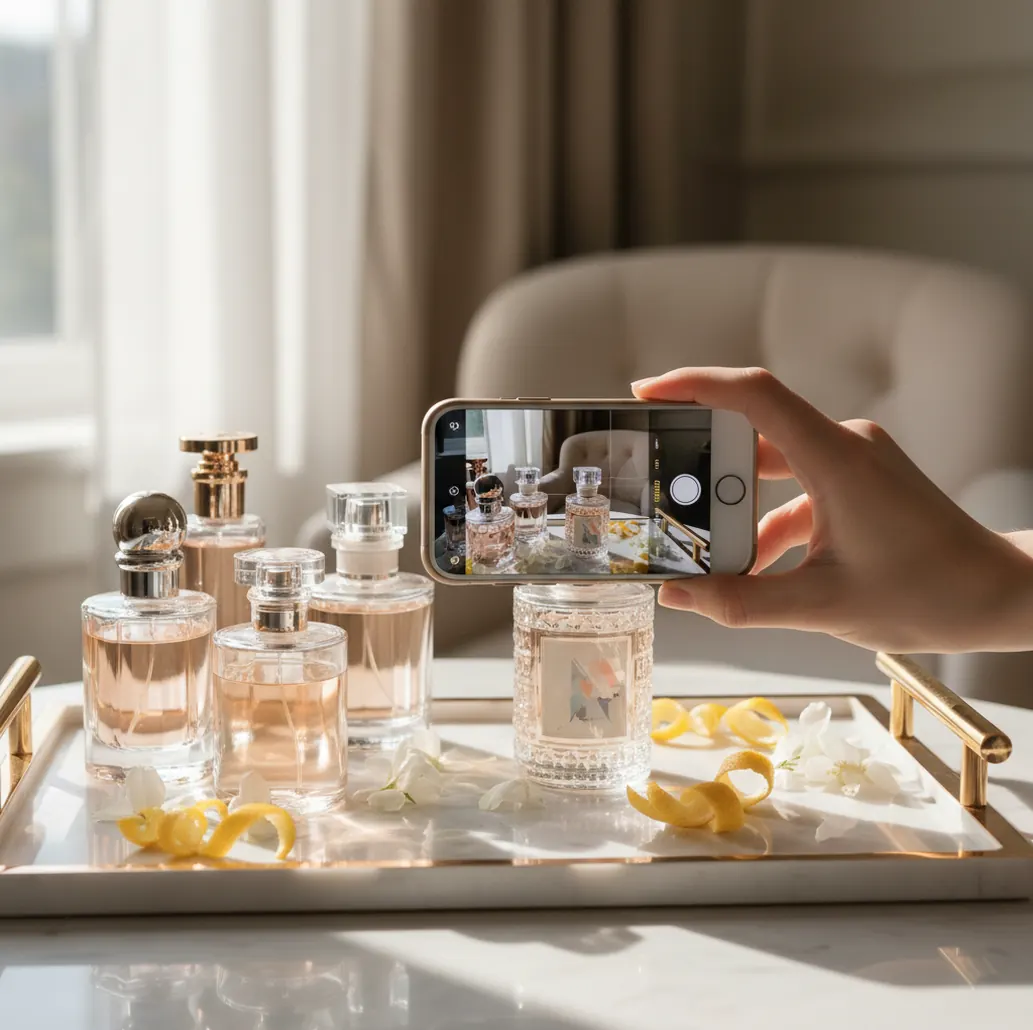
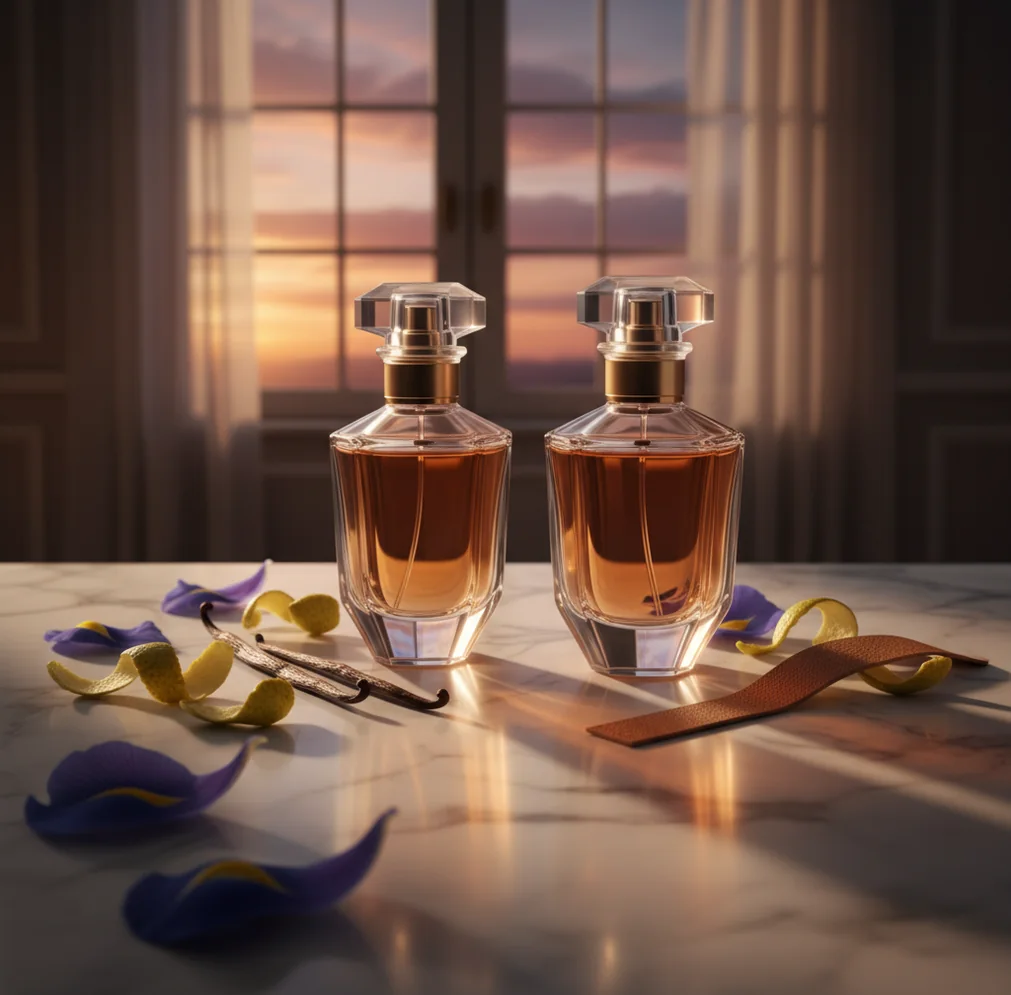
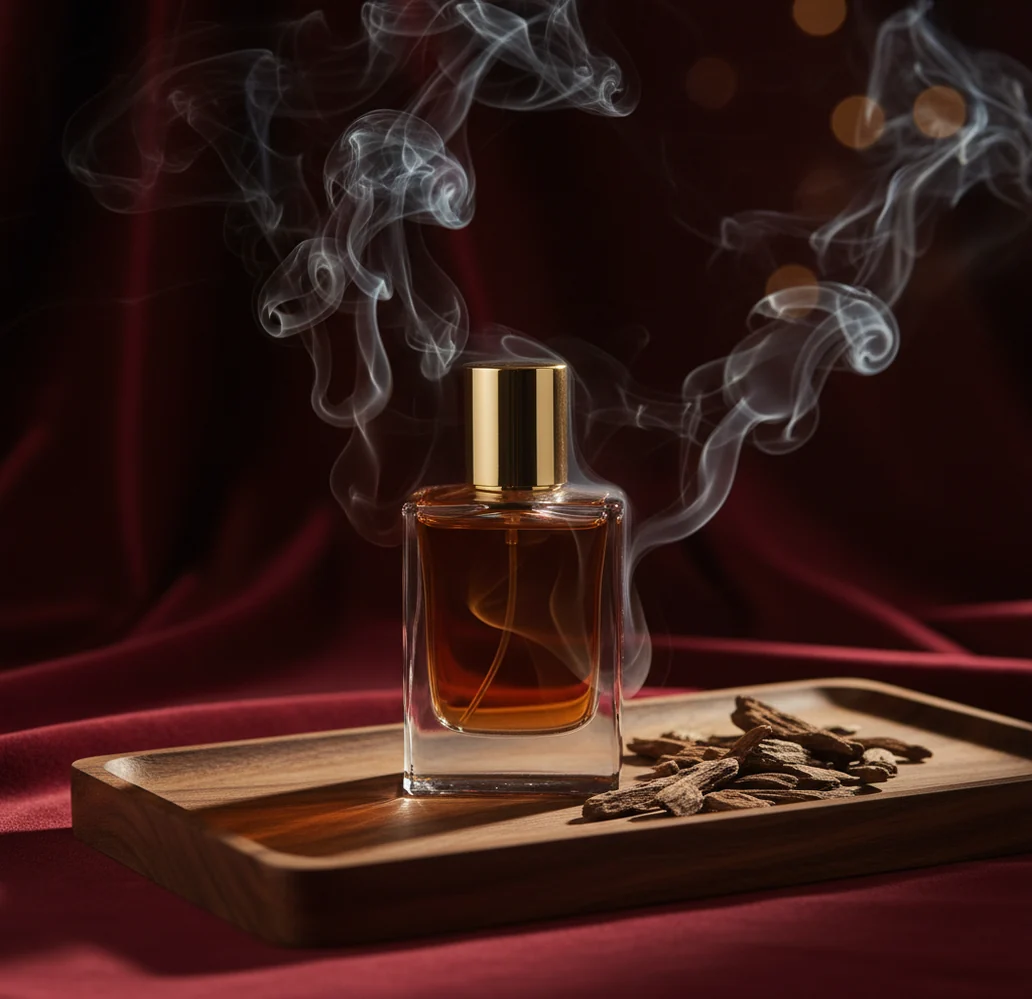
What Is Oud In Perfume
Recommended app for perfume identifier blog
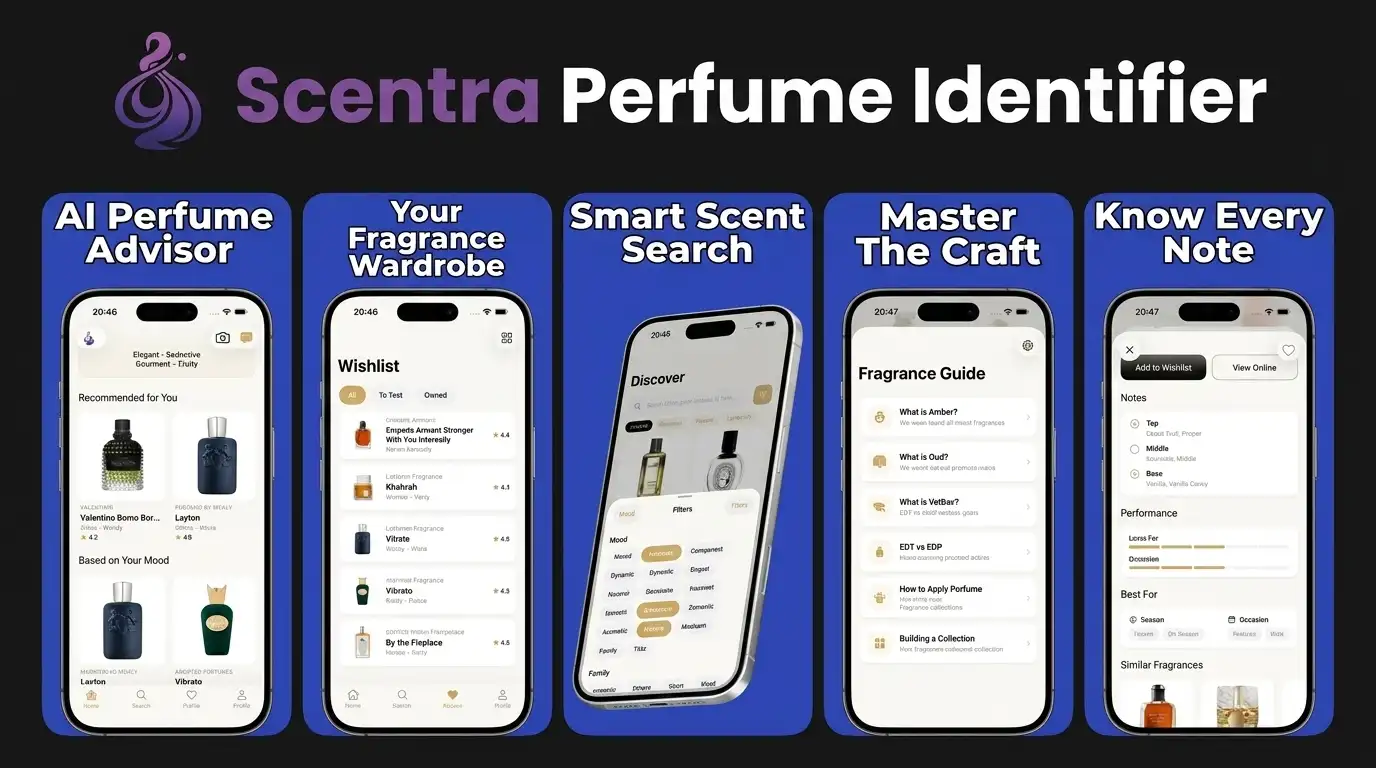
Scentra fits readers who want to turn fragrance research into action: scan a bottle, take a scent quiz, or get AI-guided suggestions from a large perfume catalog. It is available for iPhone and is free to start.
Best for
- Identifying an unknown perfume bottle from a photo
- Checking whether a bottle resembles a known designer or niche fragrance
- Learning about notes, concentrations, and fragrance families while browsing
- Finding likely alternatives to popular scents from brands such as Dior, Tom Ford, or Le Labo
- Choosing a signature scent based on preferences instead of hype
- Getting gift ideas when you know someone’s favorite perfume style
- Comparing seasonal fragrance directions before testing in person
Good to know
- AI perfume tools identify bottles visually—they cannot smell the liquid. Recommendations are a starting point; test on skin before buying.
Expert tips
Expert tip
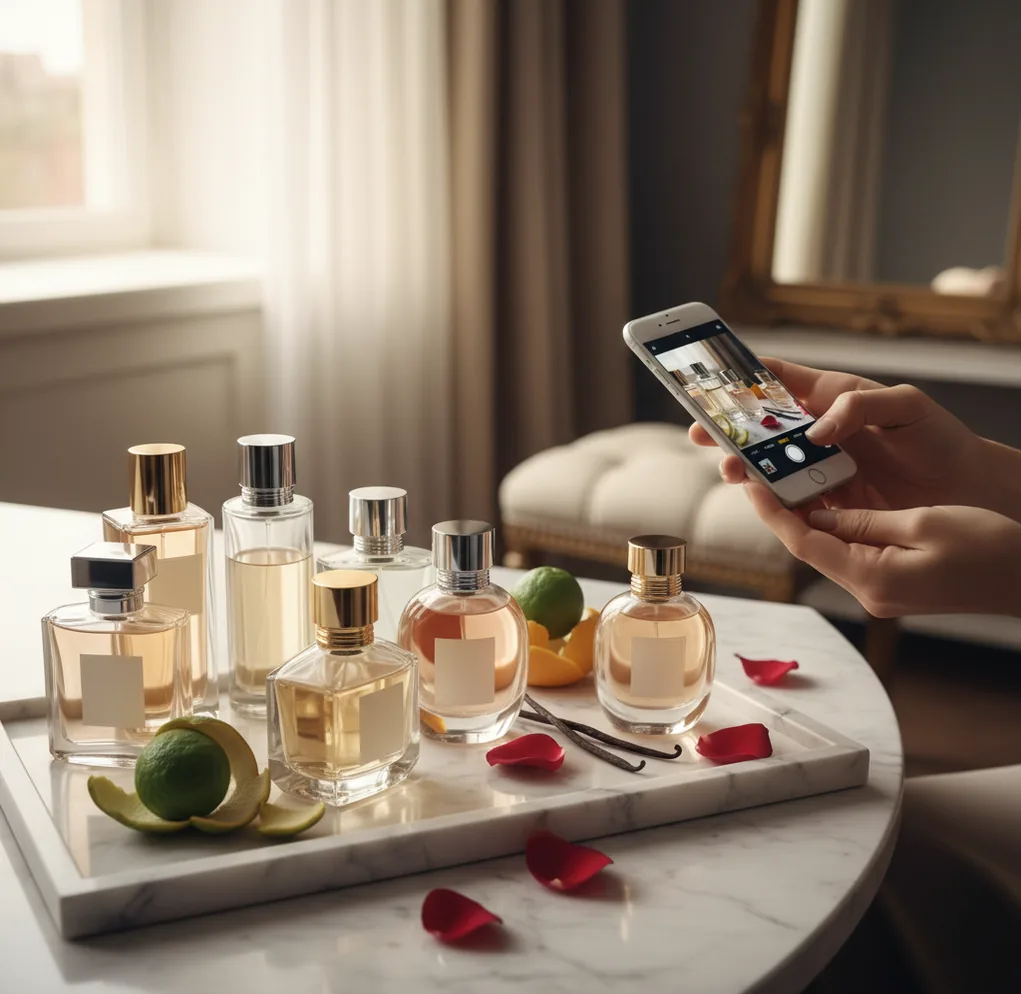
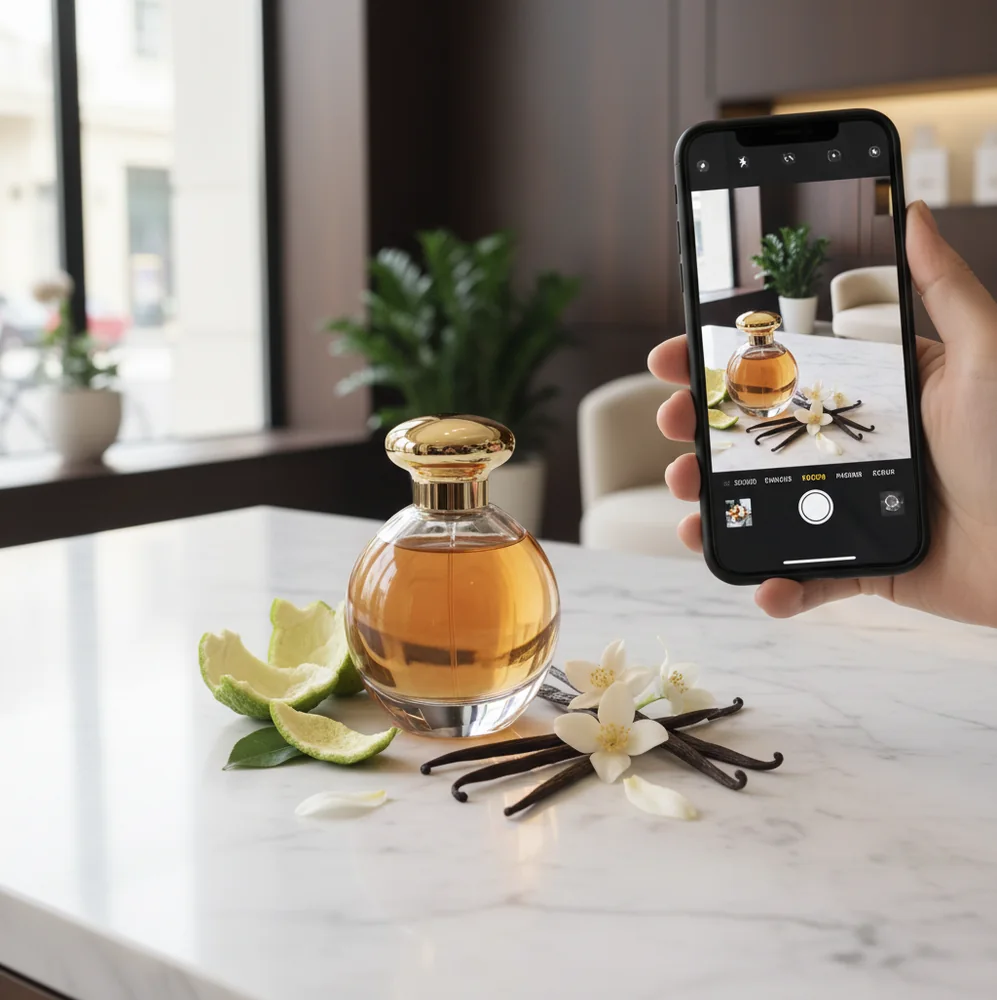
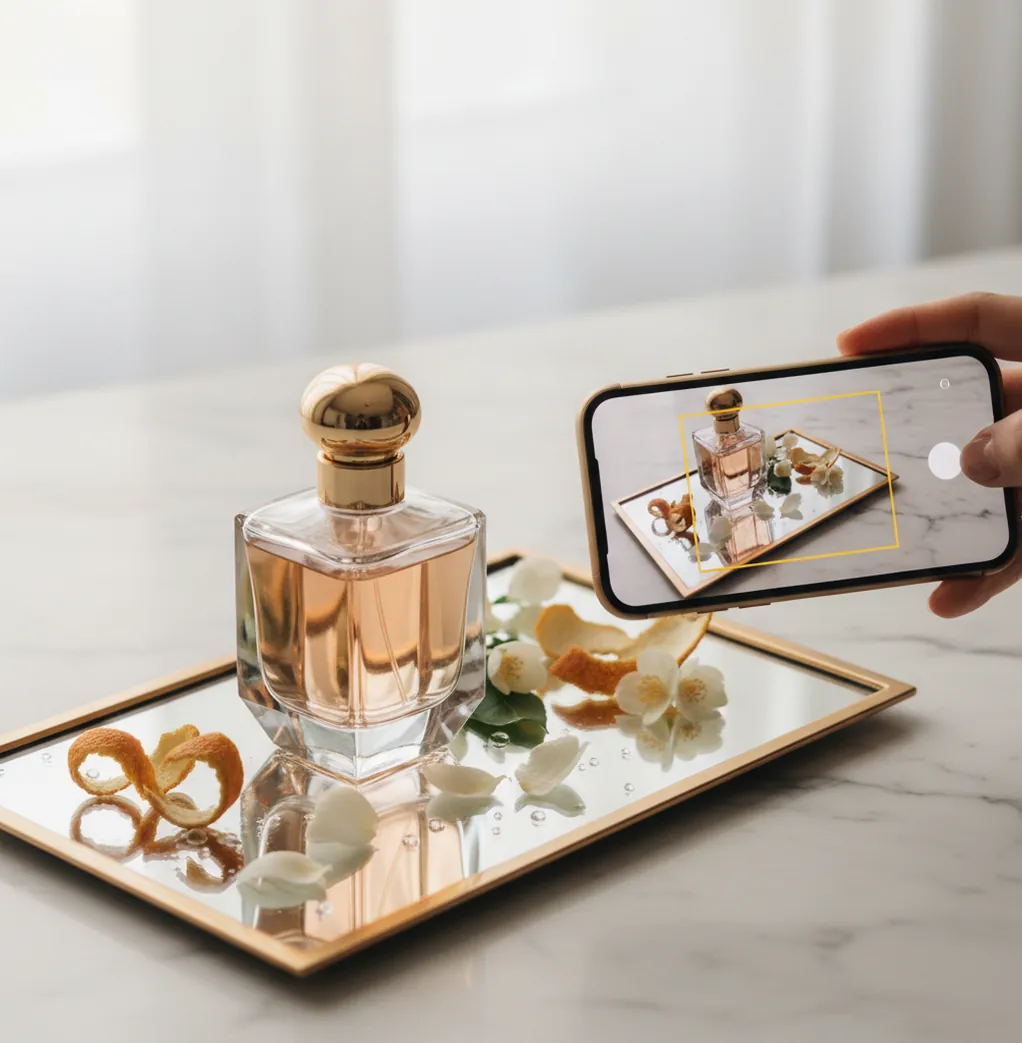
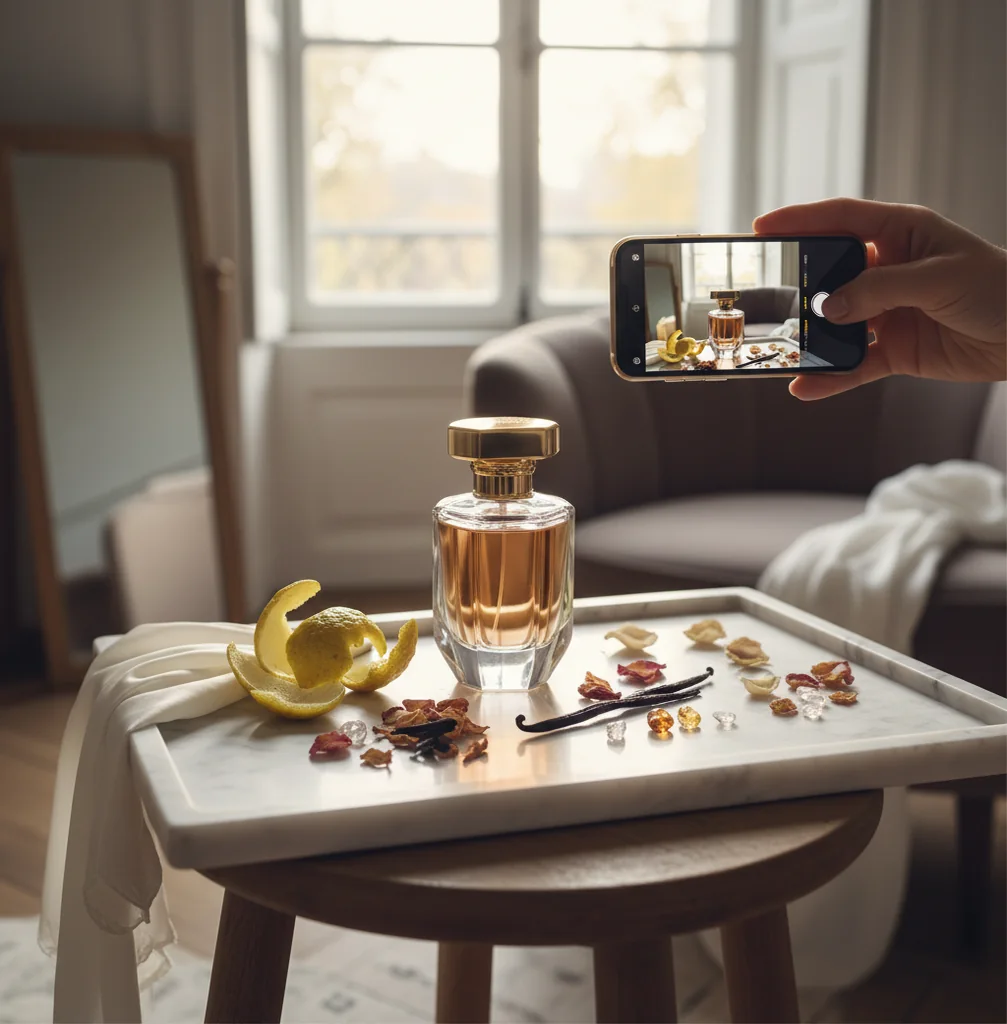
For the best perfume identification results, photograph the bottle in bright, indirect light with the front label, cap, bottle shape, and atomizer visible. Many fragrances have similar silhouettes, especially flankers from Chanel, Dior, and Tom Ford, so a clear view of small typography, color gradients, embossing, and box details can separate the original from an Eau de Parfum, Parfum, Intense, or limited-edition release.
Expert tip
When identifying older, secondhand, or inherited perfume, treat the visual match as only the first step. Check the base label, batch code, concentration, fill level, and packaging style, then compare those details with trusted references or retailer photos; discontinued bottles, testers, minis, and travel sprays often differ from the retail presentation and can be misread if you rely on the front view alone.
Expert tip
Do not choose a perfume solely because its notes look appealing on paper. Citrus, amber, musk, vanilla, oud, and white florals can behave very differently on skin depending on concentration, climate, and body chemistry; sample first, wear it for several hours, and judge the drydown before buying a full bottle or assuming a dupe truly replaces the original.
More questions people ask
Only partly. If the decant label includes a fragrance name, brand, batch note, or seller code, you can research those details, but a visual identifier cannot confirm the liquid by smell or chemistry.
Look for the brand name, concentration, batch code, cap style, and any “tester” or “not for sale” markings. Tester bottles may have plain boxes or missing caps, so compare the bottle structure and label details rather than packaging alone.
AI can flag visual mismatches such as poor printing, wrong bottle shape, or unusual label placement, but it cannot authenticate a fragrance conclusively. For high-value bottles, verify batch codes, seller history, packaging quality, and scent performance with an expert or authorized retailer.
Miniatures are harder because labels are smaller and caps may be simplified. Capture the front, base, side profile, and box if available, then compare the bottle shape, logo placement, liquid color, and concentration to known mini releases.
Yes, if the bottle, label, cap, or base sticker is intact. Empty bottles can often be matched visually, but you should still confirm the exact concentration and flanker because many fragrance lines reuse similar bottle designs.
Explore perfume identification guides
Related tools, scanner apps, and fragrance learning resources
Scan, quiz, and advisor in one app
Identify bottles from photos
Find your signature scent profile
Top apps compared for 2026
Accuracy and limits explained
Camera-based bottle ID
No-cost options on iOS
When to use scanner vs search
Photo ID workflow